Sinus Lift Surgery in Austin, TX
If you have lost upper back teeth and do not have enough bone for a dental implant, sinus lift surgery in Austin may create the bone height needed for implant placement.
A sinus lift, also called sinus augmentation, raises the floor of the maxillary sinus and places bone graft material beneath it. Over time, new bone develops in the treated area.
At Austin Cosmetic & Implant Dentistry, Dr. Alexander Nguyen uses 3D CBCT imaging to measure the bone beneath your sinus and determine which approach is appropriate.
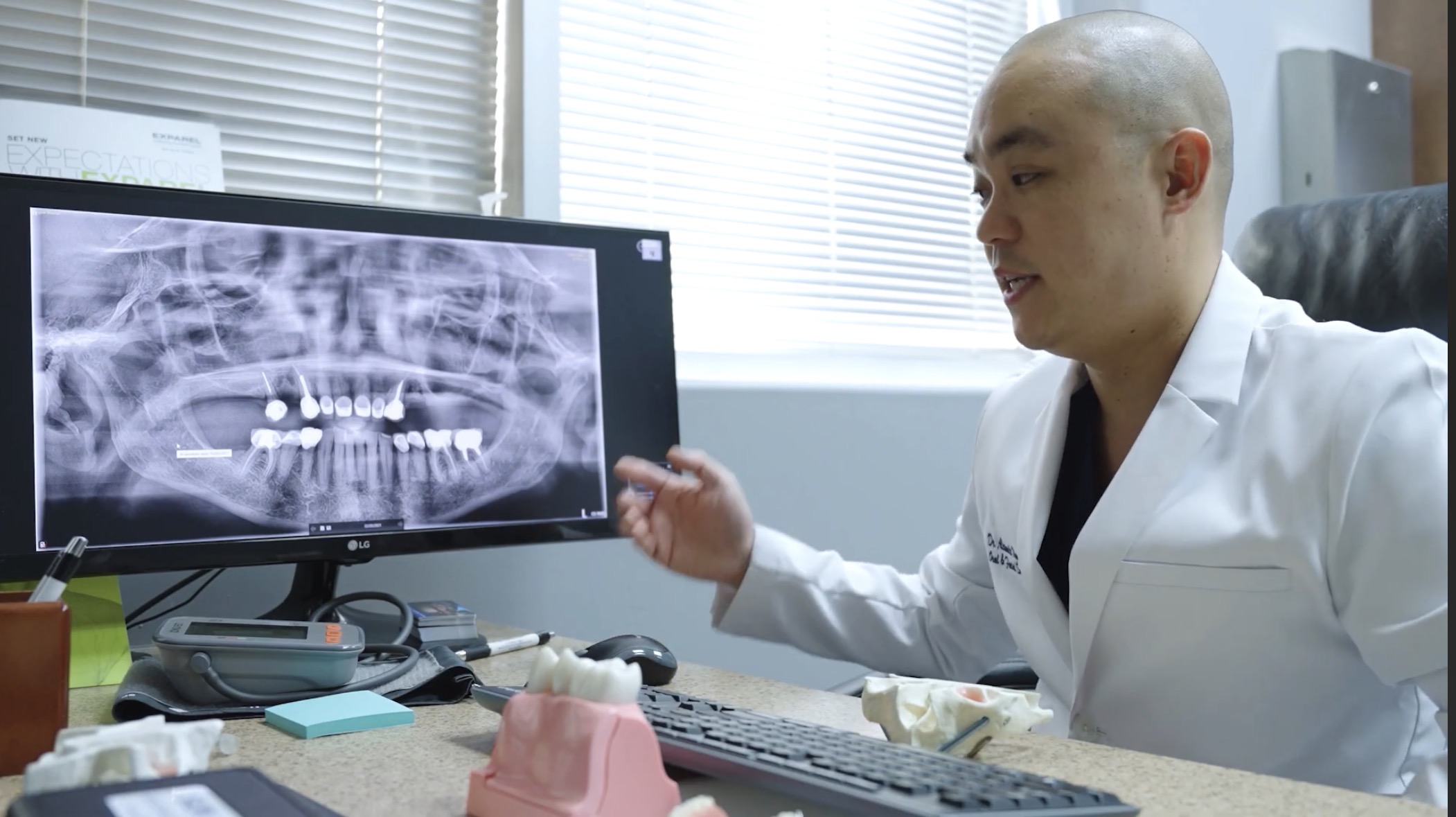
Do You Need a Sinus Lift?
A sinus lift may be recommended when bone has been lost after upper molar or premolar extraction. The maxillary sinus can extend downward as bone resorbs, leaving too little bone to securely support an implant.
A 3D scan shows:
- Available bone height
- Bone width
- Sinus anatomy
- The location of the sinus floor
- Anatomical features that may affect treatment
If enough bone remains, a sinus lift may not be necessary.
Types of Sinus Lift Surgery
There are two common approaches:
Lateral window sinus lift: A small opening is made in the side of the upper jaw so the sinus membrane can be carefully lifted and graft material placed underneath. This approach is generally used when greater bone height needs to be created.
Crestal sinus lift: The surgeon accesses the sinus through the implant site and gently raises the sinus floor. It is generally used when only a smaller amount of additional bone is needed.
Your surgeon chooses the technique based on your existing bone height, sinus anatomy, and implant plan.
Can the Implant Be Placed at the Same Time?
Sometimes.
If enough of your existing bone can provide initial implant stability, the implant may be placed during the same procedure as the sinus lift.
When very little bone remains, the graft usually needs time to mature before implant placement. A lateral sinus lift may require approximately 6–9 months of healing, while a crestal lift may require about 4–6 months, depending on the case.
What Happens During a Sinus Lift?
Treatment begins with an examination and 3D CBCT scan.
During surgery, the area is numbed with local anesthetic. The sinus membrane is gently raised, graft material is placed beneath it, and the surgical site is closed.
Many procedures can be completed in about an hour, although treatment time varies by technique and complexity. IV sedation may be available.
Is a Sinus Lift Painful?
Most patients experience pressure, swelling, or soreness rather than sharp pain during recovery. Local anesthetic keeps the area numb during surgery, and IV sedation can help make the procedure more comfortable.
Swelling is usually most noticeable during the first few days and then gradually improves.
Sinus Lift Recovery
Because the graft is placed directly beneath the sinus membrane, protecting the area from pressure is important during early healing.
After surgery:
- Do not blow your nose unless instructed otherwise
- Sneeze with your mouth open
- Avoid straws and forceful spitting
- Avoid smoking and vaping
- Avoid strenuous exercise for about a week
- Sleep with your head elevated for the first few nights
- Ask your surgeon before flying or diving soon after surgery
Mild swelling and congestion can occur. Contact the office for fever, worsening swelling, severe or increasing pain, foul discharge, significant bleeding, or other concerning symptoms.
What Happens If the Sinus Membrane Tears?
A small membrane perforation can occur during sinus lift surgery and can often be repaired during the procedure. Depending on the size of the tear, your surgeon may repair it and continue treatment or allow the area to heal before completing the graft.
Your 3D scan and surgical evaluation help identify anatomical factors that may affect the procedure.
Can You Avoid a Sinus Lift?
Sometimes.
Depending on your anatomy and treatment goals, alternatives may include shorter implants, tilted implants used in full-arch treatment, or specialized implants such as zygomatic implants or Pterygoid dental implants in Austin.
Not every patient with reduced upper-jaw bone height needs a sinus lift. Your 3D scan determines which options may be appropriate.
Sinus Lift and Dental Implants in Austin
A sinus lift is performed to create a stable foundation for a future dental implant.
At Austin Cosmetic & Implant Dentistry, Dr. Alexander Nguyen performs the surgical portion of treatment, while Dr. Madeleine Chung plans the final restoration. Coordinating treatment allows the graft and implant to be planned around the final tooth.
IV sedation is available in-house. Our Highway 290 office serves Austin and surrounding communities, including Oak Hill, Dripping Springs, Bee Cave, and Wimberley.
Frequently Asked Questions
How long does a sinus lift take to heal?
Healing varies by technique and individual case. A lateral sinus lift commonly requires several months before implant placement, while a crestal lift may heal sooner.
Can I get a dental implant the same day as a sinus lift?
Sometimes. Same-day placement depends on whether enough existing bone can securely stabilize the implant.
Can I fly after sinus lift surgery?
Ask your surgeon before flying. Changes in cabin pressure may affect a healing sinus, particularly after a larger lateral-window procedure.
Will a sinus lift affect my breathing?
A sinus lift does not normally interfere with breathing or sinus drainage. If you have active sinus disease, your surgeon may recommend evaluation by an ENT physician before treatment.
How much does a sinus lift cost in Austin?
Cost depends on the technique, amount of grafting required, implant placement, sedation, and other treatment factors. A consultation and 3D scan are needed for an individualized estimate.
Find Out If You Need a Sinus Lift
A 3D CBCT scan can show exactly how much bone remains beneath your sinus and whether sinus augmentation in Austin is appropriate for your implant treatment.